


Letter to the Editor: Technology Must Help Shape the Future of Marine Conservation
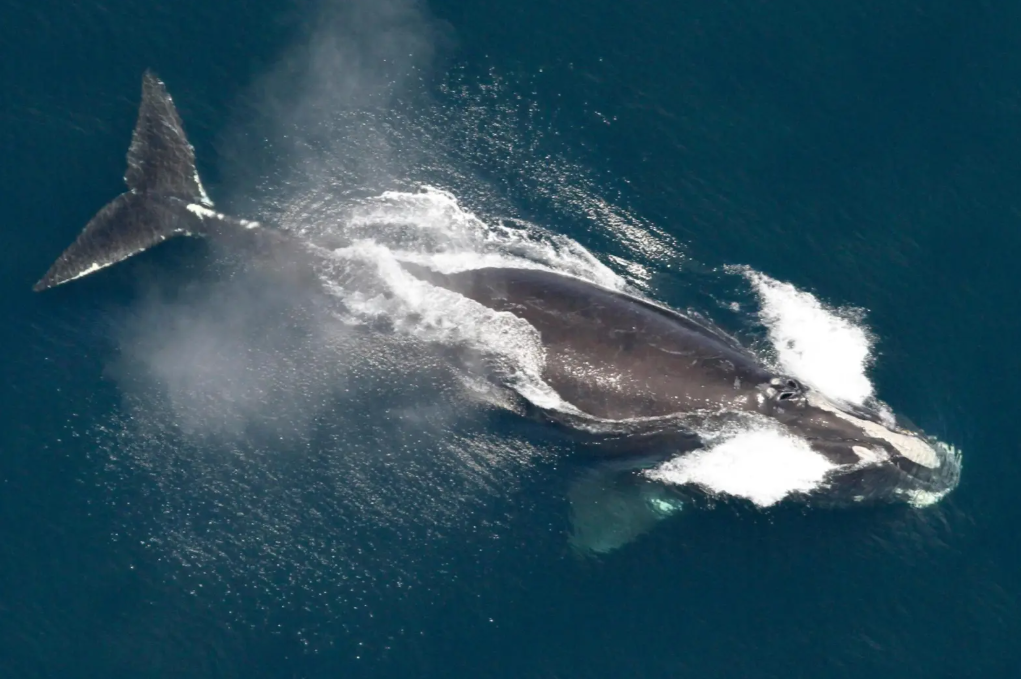
The public comment period recently closed for NOAA’s Advance Notice of Proposed Rulemaking (ANPRM) on the 2008 North Atlantic Right Whale Vessel Strike Reduction Rule, marking an important moment for the future of marine conservation.
As NOAA considers potential updates to the rule, NMMA continues to urge the agency to embrace a modern, technology-driven approach that protects the endangered North Atlantic right whale while also supporting safe and responsible access to the water.
That message was reinforced this week in a letter to the editor (LTE) in The Baltimore Sun by Robyn Boerstling, NMMA’s Chief Advocacy Officer and Senior Vice President of Government Affairs. In her LTE, she writes:
“Our goal should be to determine whether modern tools can improve conservation outcomes while reducing unnecessary burdens on recreational boaters, fishermen, coastal communities and other water users. It is responsible for any government agency to review burdensome, decades-old regulations that may not meet the test of time. NOAA’s review process provides an opportunity to examine these tools carefully and ensure that whale protection measures remain both effective and adaptable to changing conditions.”
The timing of the commentary coincided with Capitol Hill Ocean Week (CHOW), where the June 3 panel, “New Blue Revolutions: Age of Technology and Investment,” highlighted how rapidly marine technology is advancing. Moderated by Kelly Kryc, Ph.D., principal cross-cutting strategist at MITRE, the panel included Keith Van Graafeiland of Esri, John DePersenaire of Viking Marine Group and the Whale and Vessel Safety Taskforce, Shaun Ruge of Garmin International, and Tosca Lichtenheld of Sofar Ocean.
The panel emphasized that the ocean is dynamic, interconnected, and constantly changing, which underscores the need for conservation policy to reflect that reality. Since the vessel speed rule was first implemented in 2008 for vessels 65 feet and longer, technology has changed dramatically. New technologies such as passive acoustic monitoring, thermal imaging, satellite imagery, artificial intelligence-assisted detection, real-time navigation alerts, and advanced mapping tools have the potential to significantly improve conservation efforts.
NMMA believes NOAA should carefully evaluate these tools as part of any future rulemaking. A modern conservation framework should be effective, flexible, and grounded in the best available science. It should also recognize the real-world impacts that broad, static restrictions can have on recreational boaters, anglers, marinas, boatyards, coastal communities, and marine businesses.
As NOAA reviews public comments, NMMA will continue to advocate for policies that protect endangered marine life, support mariner safety, and reflect the pace of innovation already underway.